In today’s print industry, sustainability isn’t just an option anymore—it’s a necessity. Optimising workflows and increasing connectivity can drive significant environmental benefits, reducing waste and energy consumption while improving operational efficiency. Here’s how adopting sustainable practices through connected print systems can transform your business.
The Importance of Sustainable Print Workflows
The demand for sustainable print solutions is a growing sector. Businesses are under pressure to reduce their environmental impact, and print workflows play a crucial role. Sustainable workflows not only help in reducing carbon footprints but also enhance profitability and customer trust.
Key Components of Workflow Connectivity
Integrated Systems for Improved Efficiency
Digital workflows ensure seamless communication between different stages of production. Integrated connectivity systems reduce manual intervention, minimise errors, and ensure resources are used more efficiently. This streamlined approach helps cut down on paper and ink wastage as well.
Data-Driven Decision Making
Connected systems provide valuable data insights, allowing you to monitor usage, identify inefficiencies, and make informed decisions. Data-driven workflows support sustainable practices by optimising resource allocation and reducing unnecessary consumption.
How Workflow Automation Supports Sustainability Goals
Reducing Resource Consumption
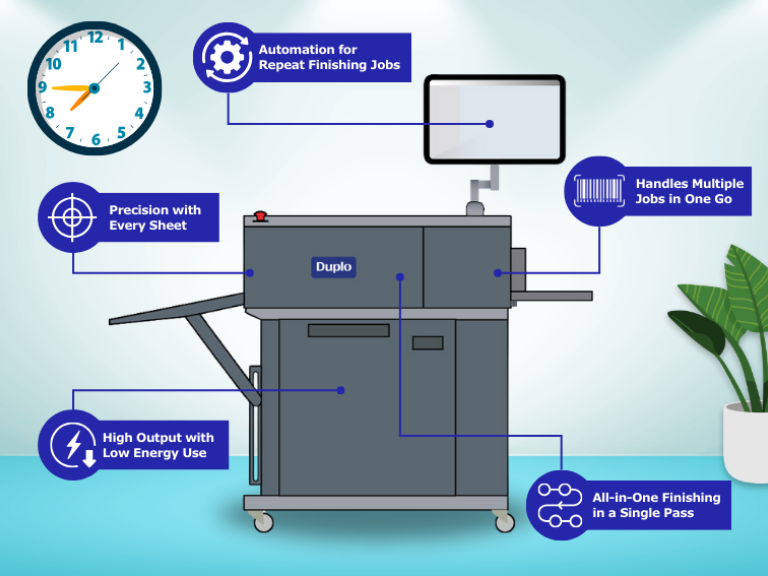
Automation reduces the need for manual processes, which often lead to material wastage. By optimising each stage of production, automated workflows lower paper, energy, and ink consumption—critical factors in achieving sustainability goals.
Enhancing Production Accuracy
Connectivity and automated workflows increase accuracy, reducing reprints and errors. This precision means fewer resources are wasted, contributing to more environmentally friendly print practices.
Practical Steps for Implementing Sustainable Connectivity
Assess Your Current Workflow
Start by evaluating your existing processes. Identify areas where waste occurs, from design to production. Understanding your workflow’s strengths and weaknesses is the first step toward sustainable improvement.
Choose the Right Technologies
Selecting the right tools and software for connectivity is essential. Look for solutions that offer automation, real-time monitoring, and data analytics. These technologies not only streamline operations but also support sustainability efforts.
Explore Duplo's workflow and connectivity solutions
Future Trends in Sustainable Print Connectivity
As technology evolves, the future of sustainable print workflows looks promising. Emerging trends include smarter automation systems, AI-driven analytics, and more energy-efficient machinery. Staying ahead of these trends will help your business maintain a competitive edge while promoting sustainability.
Conclusion: Taking the Next Step Toward Sustainability
Print workflow and connectivity play a crucial role in making a business sustainable. By optimising print processes, businesses can reduce costs, enhance productivity, minimise waste, and contribute to environmental conservation.
Embracing sustainable print practices not only benefits the environment but also improves financial performance and enhances a company's reputation. By adopting these practices, businesses can generate more opportunities for future growth.
Reach out to us to talk to a workflow specialist at Duplo or explore our Workflow and Connectivity Hub for more insights and innovations.