1. Misalignment of Embellishment Designs
2. Overuse of Embellishment Techniques
3. Applying Embellishments Over Folds or Creases
4. Not Testing or Running Samples
5. Poor Quality Control During Production
In today’s fast-paced and competitive print industry, adding standout features to your projects is essential for leaving a lasting impression. By incorporating print embellishments—such as foil and spot UV techniques—you can elevate the visual appeal and tactility of your printed materials, making them truly memorable. However, while these enhancements can transform your designs, they also come with challenges. Mistakes, such as misaligned finishes or incorrect material choices, can lead to costly delays, wasted materials, and unsatisfactory results, which ultimately affect the impact and success of your project.
To help you avoid these pitfalls and achieve the best results, we’ll explore the top 5 print embellishment mistakes and how you can prevent them, ensuring your next project is flawless and impactful.
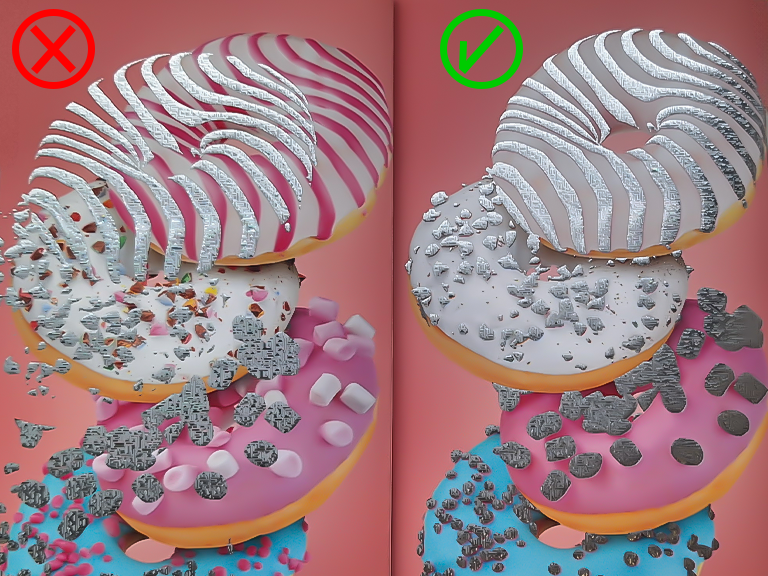
1. Misalignment of Embellishment Designs
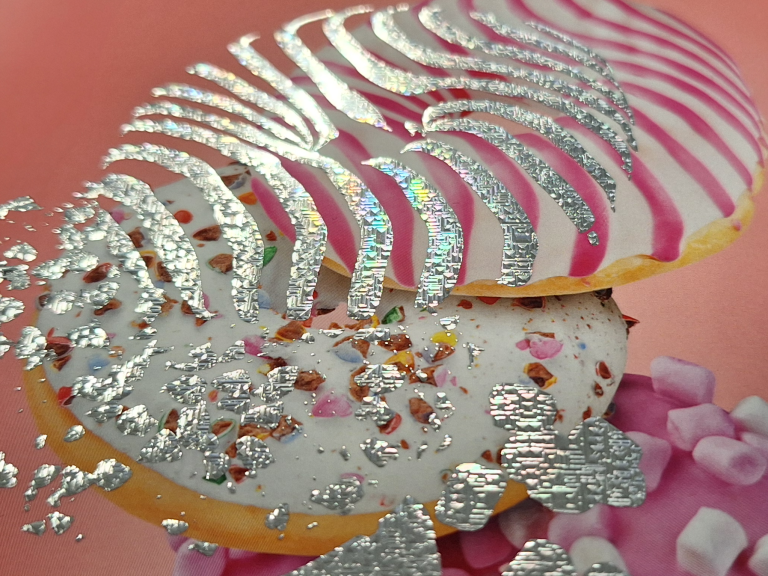
Precision is key when it comes to print embellishment. When applying techniques like foil or spot UV, aligning the embellishment with your print layer is critical to achieving a polished and professional finish. Even the slightest misalignment can throw off your design, diminishing the overall quality and impact. This is particularly important when dealing with detailed areas such as text or intricate graphics, where any misalignment is immediately noticeable and can detract from the intended effect.
How to avoid it:
- Align layers properly: Ensure your foil or spot UV layer is perfectly aligned with the print layer in your design software. Most systems require these elements to be on separate layers for precise registration. Double-check that your registration marks are correctly placed to maintain accurate alignment throughout.
- Be mindful of intricate designs: Applying embellishments like spot UV to fine details, thin lines, or small fonts requires extra precision. Focus on bolder elements that can better accommodate embellishments without sacrificing quality.
2. Overuse of Embellishment Techniques
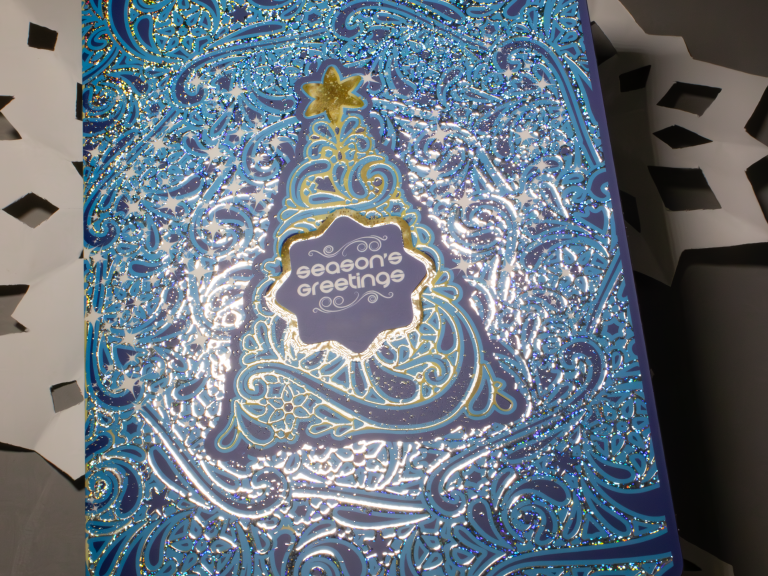
With so many exciting techniques available, it’s easy to get carried away with embellishments. However, overusing them—especially across large areas of a design—can result in visual clutter, ultimately compromising the overall impact. More isn’t always better. Excessive embellishments can overwhelm the viewer and dilute the effectiveness of your print.
How to avoid it:
- Focus on balance and purpose: Use embellishments strategically. Identify key areas you want to highlight and apply techniques that enhance, rather than detract from, your design. Reserve embellishments for elements that truly need emphasis, such as logos, titles, or important images.
- Be selective: Spot UV is ideal for drawing attention to specific elements but use it sparingly for the biggest impact. Simplicity is key using the effect on a few well-chosen areas creates a far stronger impression than overloading your design.
- Less is more: Treat embellishments as enhancements, not the focal point. Small, well-placed elements will have a far greater impact than covering large sections of your design. Use spot UV or foil to direct attention to crucial details without overpowering the rest of the page.
More information on how to create your print embellishment layers
3. Applying Embellishments Over Folds or Creases
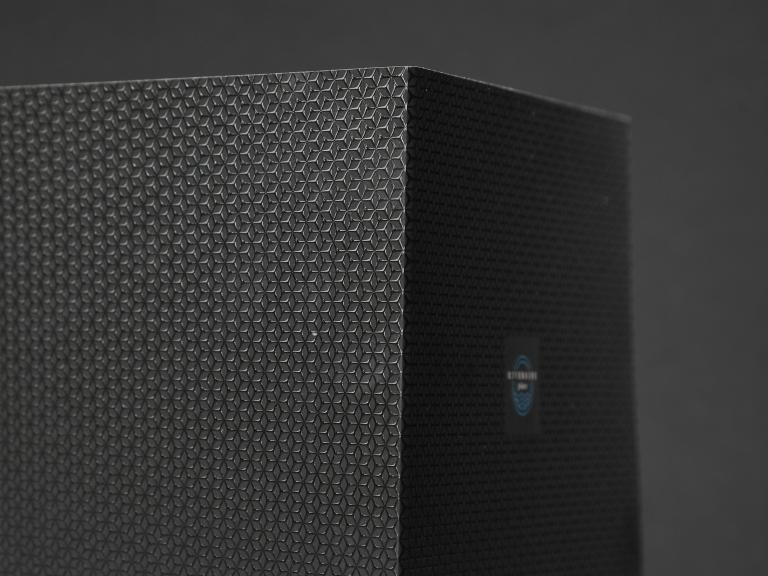
Foil and spot UV coatings can crack when applied over areas that are folded or creased, leading to a chipped or uneven appearance. This issue often occurs on brochures, booklets, or packaging with fold lines, detracting from the professional finish you aim to achieve.
How to avoid it:
- Plan your fold lines carefully: Ensure your embellishment layers are designed away from fold or crease lines. This attention to detail will prevent cracking and ensure your embellishment maintains its integrity.
- Be creative with your embellishment designs: If your design requires foil or spot UV near folds, perhaps, use designs where a subtle 1mm pause is hardly noticeable. This subtle design consideration will ensure you maintain professional embellishments.
4. Not Testing or Running Samples
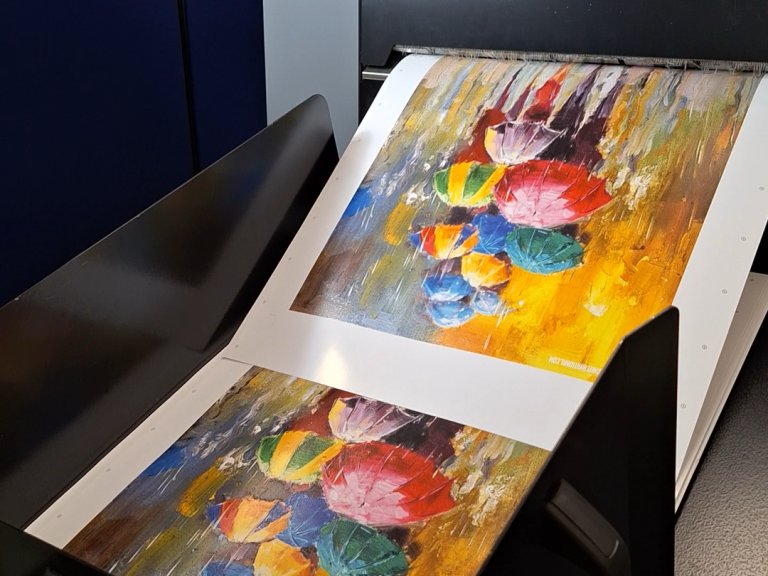
Skipping the testing phase is a common but costly mistake. Using the wrong combination of paper stock and embellishments without a sample run can result in issues like misalignment, poor adhesion, or cracking. What looks good on screen doesn’t always translate well to print.
How to avoid it:
- Always run samples: Before proceeding with a full print run, conduct a sample run to check alignment, adhesion, and overall appearance. This simple step can save you from expensive reprints and ensures your design looks as intended.
- Know your materials: Different paper types react differently to various embellishment processes. Test different substrates to understand how each behaves with your chosen techniques, especially when working with speciality finishes like foil or spot UV.
5. Poor Quality Control During Production
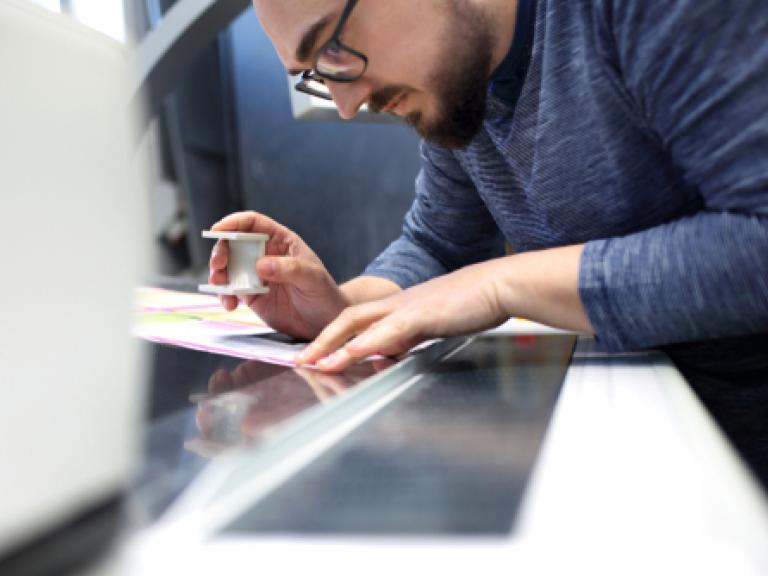
Even with meticulous planning and cutting-edge technology, human error can still occur. Without thorough quality control, small mistakes in your print embellishments can slip through unnoticed, leading to inconsistent results and dissatisfied clients, which can affect your reputation.
How to avoid it:
- Implement regular checks: Establish a robust quality control process, including checks at every stage of production—from initial proofs to the final product. Conduct visual inspections, alignment checks, and functional tests to ensure your embellishments meet the required standards.
- Encourage a culture of quality: Foster a work environment that prioritises quality at every step. Encourage your team to take ownership of their work and speak up if they notice inconsistencies or potential issues. By emphasising the importance of quality, you can reduce the chances of errors slipping through.
Stay Ahead with High-Quality Print Embellishments
Print embellishments, such as foil and spot UV, can transform your printed materials, but only when applied with care. By avoiding common mistakes like overuse, misaligned layers, and neglecting sample runs, you’ll ensure your designs have the stunning finish you envisioned, meet your clients’ expectations, and stand out in a crowded market.
Whether you're a print service provider, graphic designer, or brand owner, these insights will help you make the most of your embellishment projects. To learn more about how you can enhance your printed materials with cutting-edge finishing techniques, visit the our embellishment hub for expert advice and solutions.
Your success is our priority. Contact us today to find out more.